
Introduction
For decades, cancer treatment was largely limited to surgery, radiation, and chemotherapy methods that, while effective in many cases, often came with significant side effects and limited success for certain cancers. But in recent years, immunotherapy has revolutionized oncology, offering patients new hope. This approach harnesses the body’s own immune system to fight cancer, transforming cancer care into a more targeted, effective, and in some cases, curative strategy.
In this article, we will explore what immunotherapy is, how it works, success stories, challenges, and its future potential.
What Is Immunotherapy?
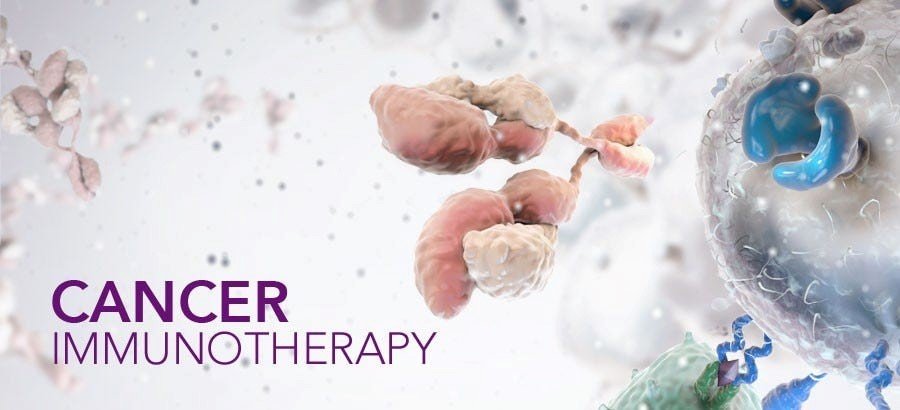
Immunotherapy is a form of cancer treatment that uses the patient’s own immune system to recognize and attack cancer cells. Unlike chemotherapy, which kills both healthy and cancerous cells, immunotherapy is more precise, it trains the immune system to specifically target abnormal cells.
Types of Immunotherapy include:
- Immune Checkpoint Inhibitors: Drugs that block proteins (like PD-1, PD-L1, and CTLA-4) that cancer cells use to hide from immune responses.
- CAR T-Cell Therapy: A technique where a patient’s T-cells are genetically engineered to attack cancer cells.
- Cancer Vaccines: Stimulate the immune system to recognize cancer-associated antigens.
- Monoclonal Antibodies: Lab-made proteins that attach to cancer cells and mark them for destruction.
Success Stories in Immunotherapy
Melanoma
Before immunotherapy, advanced melanoma had poor survival rates. With checkpoint inhibitors like nivolumab and pembrolizumab, many patients now experience long-term remission.
Blood Cancers
CAR T-cell therapy has achieved remarkable success in treating childhood acute lymphoblastic leukemia (ALL) and certain types of lymphoma. In some trials, remission rates exceed 80%.
Lung Cancer
Checkpoint inhibitors have extended survival for patients with advanced non-small cell lung cancer, which was once considered incurable.
Advantages of Immunotherapy
- Durable Responses: Unlike chemotherapy, which often only works while being administered, immunotherapy can create lasting immunity against cancer.
- Targeted Approach: Reduces collateral damage to healthy cells.
- Expanding Applications: Initially limited to a few cancers, immunotherapy is now approved for dozens of cancer types.
Challenges and Limitations
- Cost: Treatments like CAR T-cell therapy can cost hundreds of thousands of dollars.
- Side Effects: Immune-related side effects (colitis, skin rashes, lung inflammation) can be severe.
- Not Effective for All Patients: Some tumors remain resistant, and researchers are still exploring why.
- Access Inequality: Patients in developing countries often cannot access these cutting-edge treatments.
The Future of Cancer Immunotherapy
- Combination Therapies: Pairing immunotherapy with chemotherapy, radiation, or targeted therapy to boost effectiveness.
- Personalized Immunotherapy: Using genetic profiling to design custom immune treatments.
- Off-the-Shelf CAR T Cells: Making universal CAR T-cell therapies to reduce costs and broaden accessibility.
- Preventive Vaccines: Developing vaccines that could prevent cancer in high-risk populations.
Conclusion
Immunotherapy has ushered in a new era in oncology, transforming cancer from a near-certain death sentence in many cases to a manageable or even curable condition. While challenges remain, ongoing research promises to expand access, reduce side effects, and increase success rates. For patients and families, immunotherapy represents hope—a hope rooted in science, resilience, and innovation.