Introduction
Cancer is one of the most feared diagnoses in the world. According to the World Health Organization, nearly 10 million people die from cancer annually. But here’s the good news: at least 30–40% of cancers can be prevented through lifestyle and environmental changes. While genetics play a role, everyday choices have a powerful influence on cancer risk.
This article explores practical lifestyle changes that significantly reduce cancer risk, highlighting how small daily habits can lead to big, long-term health benefits.
Understanding Cancer Risk
Cancer develops when abnormal cells grow uncontrollably. This process is influenced by both genetic predispositions and environmental/lifestyle factors. While you can’t change your genes, you can control:
- What you eat and drink.
- How active you are.
- Whether you smoke or consume alcohol.
- Your exposure to carcinogens (cancer-causing substances).
Key Lifestyle Changes for Cancer Prevention
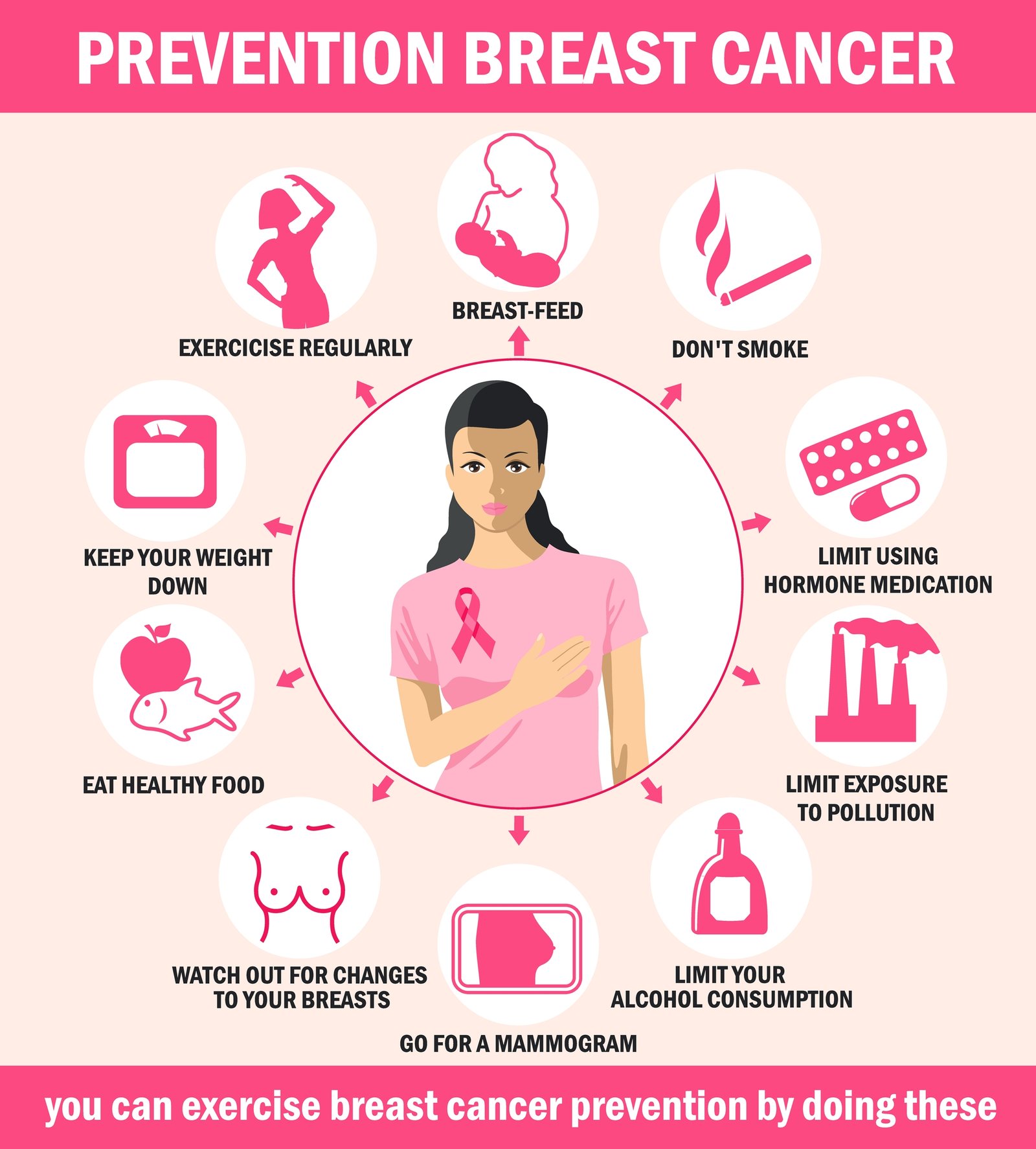
1. Quit Smoking
- Tobacco is the single biggest preventable cause of cancer.
- Smoking is linked to cancers of the lung, throat, bladder, pancreas, and more.
- Even secondhand smoke increases risk.
Action Step: Seek support through nicotine replacement therapies, counseling, or quit-smoking apps.
2. Eat a Balanced, Plant-Rich Diet
- Diets high in fruits, vegetables, and whole grains lower cancer risk.
- Processed meats (like bacon and sausages) and red meats are linked to colorectal cancer.
- High sugar intake contributes to obesity, which increases cancer risk.
Action Step: Follow the Mediterranean diet—rich in olive oil, legumes, fish, and leafy greens.
3. Stay Physically Active
- Physical activity reduces the risk of breast, colon, and endometrial cancers.
- Exercise also helps maintain a healthy weight, reducing cancer risks linked to obesity.
Action Step: Aim for at least 150 minutes of moderate-intensity activity weekly (like brisk walking, cycling, or swimming).
4. Limit Alcohol
- Alcohol is directly linked to cancers of the mouth, liver, breast, and colon.
Action Step: If you drink, do so in moderation (no more than one drink per day for women, two for men).
5. Protect Yourself from the Sun
- Ultraviolet (UV) radiation is the main cause of skin cancer.
Action Step: Wear sunscreen (SPF 30+), avoid tanning beds, and use protective clothing.
6. Get Regular Screenings
- Early detection through mammograms, colonoscopies, Pap smears, and skin checks can save lives.
Action Step: Follow national screening guidelines for your age and risk level.
Additional Tips for Prevention
- Vaccinate: HPV vaccine prevents cervical and other cancers. Hepatitis B vaccine lowers risk of liver cancer.
- Reduce Stress: Chronic stress weakens immunity.
- Sleep Well: Quality sleep supports immune defense against abnormal cell growth.
- Avoid Environmental Toxins: Minimize exposure to asbestos, radon, pesticides, and industrial chemicals.
The Global Challenge
While prevention strategies are well-known, access to healthy food, healthcare, and education varies worldwide. Addressing socioeconomic inequalities is critical to reducing the global cancer burden.
Conclusion
Cancer prevention doesn’t require drastic measures. Small, consistent lifestyle changes—like eating more vegetables, exercising regularly, avoiding tobacco, and getting screenings—can make a huge difference. While not all cancers are preventable, many are. By taking control of daily choices, you can significantly lower your risk and live a healthier, longer life. Prevention is truly the most powerful form of medicine.