
Introduction
Good nutrition is the cornerstone of healthy growth and development. In children, it plays an even more critical role because the early years set the stage for lifelong health. Poor nutrition in childhood can lead to stunted growth, impaired cognitive development, and increased risk of chronic diseases later in life. On the other hand, balanced nutrition strengthens immunity, fuels learning, and builds the physical and mental resilience every child needs to thrive.
This article explores the nutritional needs of children, common challenges, and practical strategies for parents and caregivers to ensure children receive the best foundation for life.
Why Childhood Nutrition Matters
Children grow at an astonishing pace. In the first five years, their brains develop faster than at any other time in life. Nutrients like protein, iron, calcium, and essential vitamins support this rapid growth. Nutrition also affects:
- Cognitive development: Iron deficiency in early childhood has been linked to poor school performance.
- Immunity: Malnourished children are more susceptible to infections.
- Long-term health: Childhood obesity increases the risk of diabetes, heart disease, and other chronic conditions in adulthood.
Essential Nutrients for Children
1. Proteins
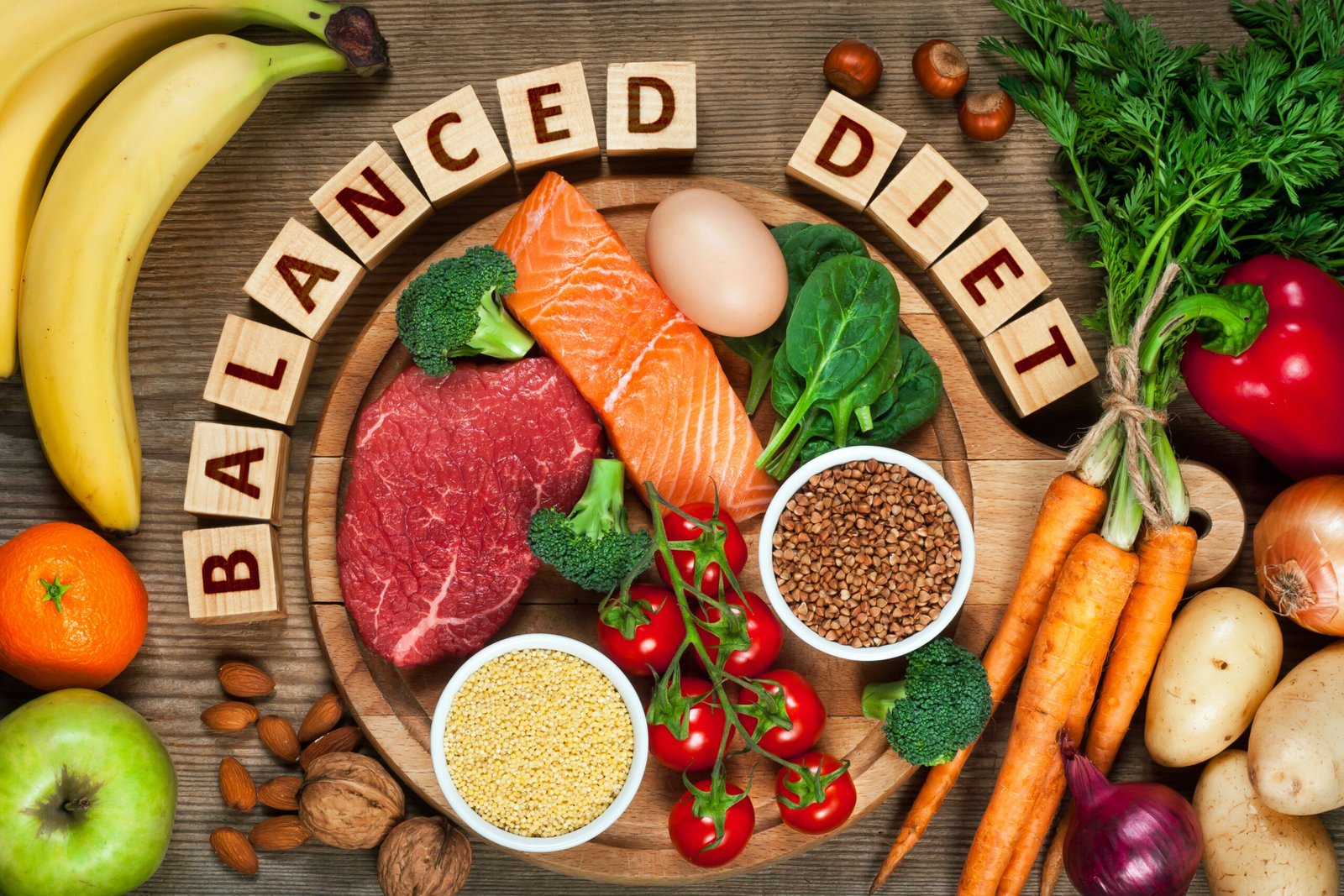
Proteins are the building blocks of growth. They support muscle, tissue repair, and immune function. Sources include lean meats, fish, eggs, beans, and lentils.
2. Calcium and Vitamin D
These are critical for strong bones and teeth. Dairy products, fortified cereals, and sunlight exposure provide these nutrients.
3. Iron
Iron supports brain development and prevents anemia. Good sources include red meat, spinach, fortified cereals, and beans.
4. Healthy Fats
Omega-3 fatty acids found in fish, flaxseed, and walnuts are vital for brain development.
5. Vitamins and Minerals
- Vitamin A supports vision and immunity.
- Vitamin C enhances iron absorption.
- Zinc promotes wound healing and immune defense.
Common Challenges in Childhood Nutrition
1. Picky Eating
Many children go through phases of rejecting certain foods, making it challenging for parents to ensure a balanced diet.
2. Junk Food and Sugar
Easy access to processed foods high in sugar and fat contributes to childhood obesity.
3. Food Insecurity
In many parts of the world, children lack access to enough nutritious food, leading to malnutrition.
4. Cultural Habits
Certain cultural diets may restrict essential nutrients if not balanced with variety.
Practical Strategies for Parents
Introduce Variety Early
Offer different textures, colors, and flavors to expand a child’s palate.
Make Meals Fun
Creative presentation, such as fruit skewers or colorful plates, can encourage healthy eating.
Lead by Example
Children mimic adults. Parents who eat vegetables and avoid junk food encourage their kids to do the same.
Limit Sugary Snacks
Encourage water over soda, and fruits over candy.
Involve Children
Let kids participate in grocery shopping or cooking—it gives them ownership and interest in healthy food.
School’s Role in Nutrition
Schools can reinforce healthy eating habits by:
- Offering nutritious meal options.
- Educating children about food groups.
- Restricting access to sugary drinks and snacks.
Conclusion
Childhood nutrition is not just about feeding, it is about building resilience, intelligence, and long-term health. By ensuring children receive the nutrients they need, parents and communities can give them the strongest foundation for life. A healthy child today is a healthier adult tomorrow.