
Introduction
Dementia is one of the most pressing health challenges of our time. It is not a single disease but a collection of symptoms affecting memory, thinking, and daily functioning. According to the World Health Organization, more than 55 million people worldwide live with dementia, and nearly 10 million new cases are diagnosed each year.
While dementia has no cure, early detection and supportive care can significantly improve quality of life for patients and families. This article explores the early signs of dementia, strategies for caregivers, and resources available for support.
What Is Dementia?
Dementia is an umbrella term for conditions characterized by cognitive decline. The most common type is Alzheimer’s disease, which accounts for 60–70% of cases. Other types include vascular dementia, Lewy body dementia, and frontotemporal dementia.
Dementia affects:
- Memory: Forgetfulness that disrupts daily life.
- Cognition: Difficulty reasoning, planning, or solving problems.
- Behavior: Mood swings, aggression, or withdrawal.
Early Warning Signs
1. Memory Loss
Occasional forgetfulness is normal, but consistent difficulty remembering recent events or names may indicate dementia.
2. Difficulty Completing Familiar Tasks
Trouble preparing meals, managing finances, or following routines can be an early red flag.
3. Confusion with Time or Place
Losing track of dates, forgetting where they are, or getting lost in familiar areas.
4. Language Problems
Struggling to find words or follow conversations.
5. Withdrawal
Loss of interest in hobbies, social gatherings, or relationships.
Support Strategies for Caregivers
1. Creating a Safe Environment
- Remove tripping hazards.
- Install locks or alarms for wandering prevention.
- Use labels on household items for easier recognition.
2. Daily Routines
Consistency reduces confusion. Fixed meal times, regular activities, and structured schedules provide comfort.
3. Encouraging Activity
Gentle exercise, puzzles, music, and art therapy stimulate the brain and improve mood.
4. Communication Techniques
- Use simple, clear sentences.
- Maintain eye contact and patience.
- Avoid correcting every mistake; focus on reassurance.
5. Seeking Support
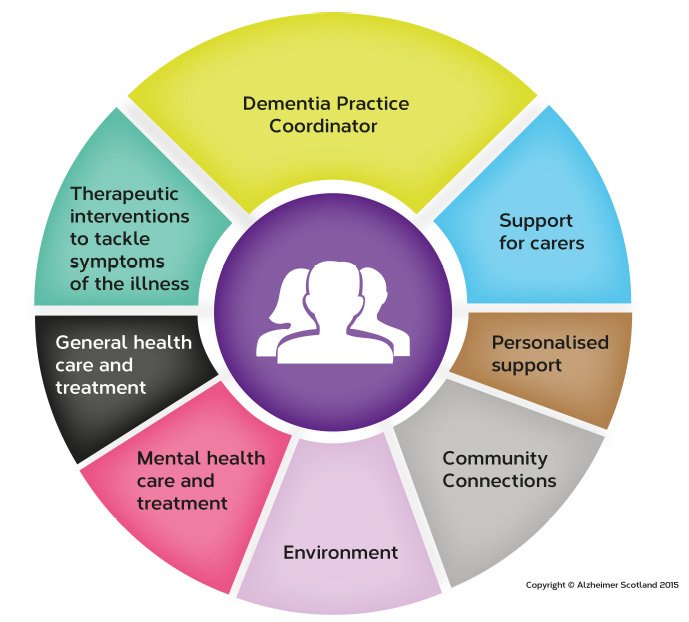
Caregivers should not carry the burden alone. Support groups, respite care, and counseling can reduce stress and prevent burnout.
Medical and Community Support
- Healthcare Providers: Neurologists and geriatricians help diagnose and manage dementia.
- Medication: While not curative, drugs like donepezil or memantine may slow symptoms.
- Community Programs: Adult day centers and memory cafés provide safe, stimulating environments.
Conclusion
Dementia may be a difficult journey, but early recognition and strong support can make a world of difference. With compassion, patience, and the right resources, families can help loved ones live with dignity and quality of life. Tackling dementia is not just about medical care, it’s about creating environments of love, acceptance, and resilience.