Cancer Prevention: Small Lifestyle Changes, Big Impact
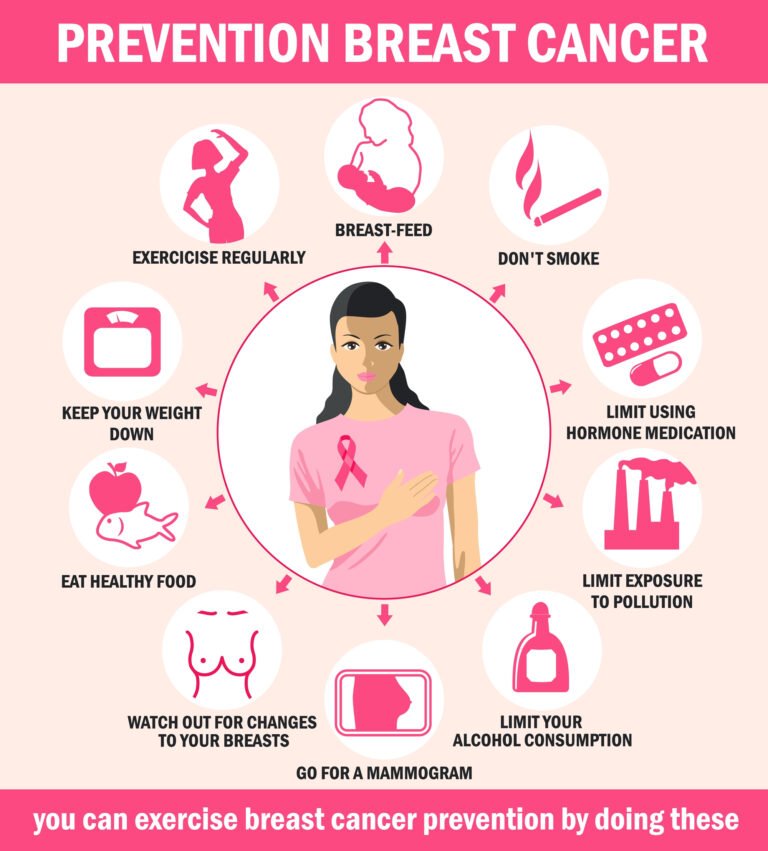
Cancer is one of the most feared diagnoses in the world. According to the World Health Organization, nearly 10 million people die from cancer annually.


Cancer is one of the most feared diagnoses in the world. According to the World Health Organization, nearly 10 million people die from cancer annually.
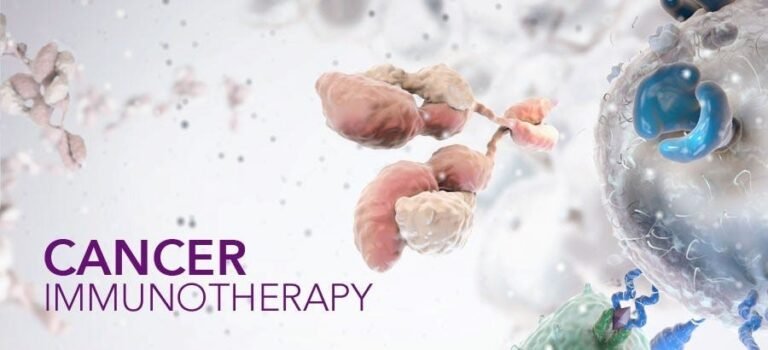
For decades, cancer treatment was largely limited to surgery, radiation, and chemotherapy methods that, while effective in many cases, often came with significant side effects and limited success for certain cancers. But in recent years, immunotherapy has revolutionized oncology, offering patients new hope.
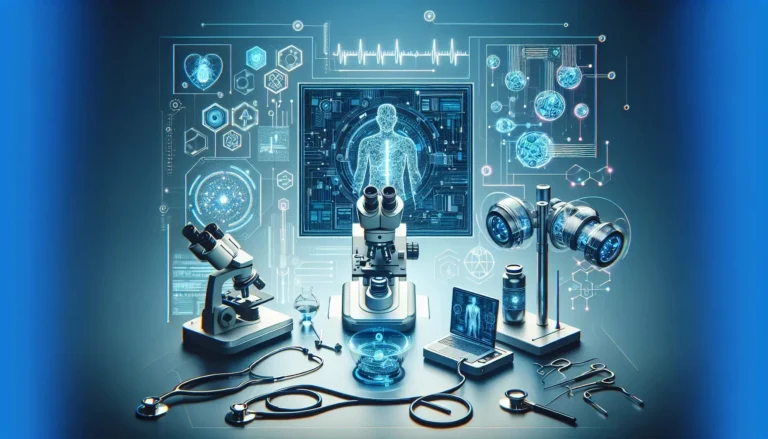
Artificial Intelligence (AI) is no longer confined to Silicon Valley startups or research labs. It is now a vital tool in modern healthcare, reshaping how diseases are detected, diagnosed, and treated.

Not long ago, healthcare was limited to face-to-face appointments in hospitals, long waiting times, and paper-based medical records.

In recent years, healthcare has undergone a digital revolution. Among all specialties, cardiology stands at the forefront of technological innovation.
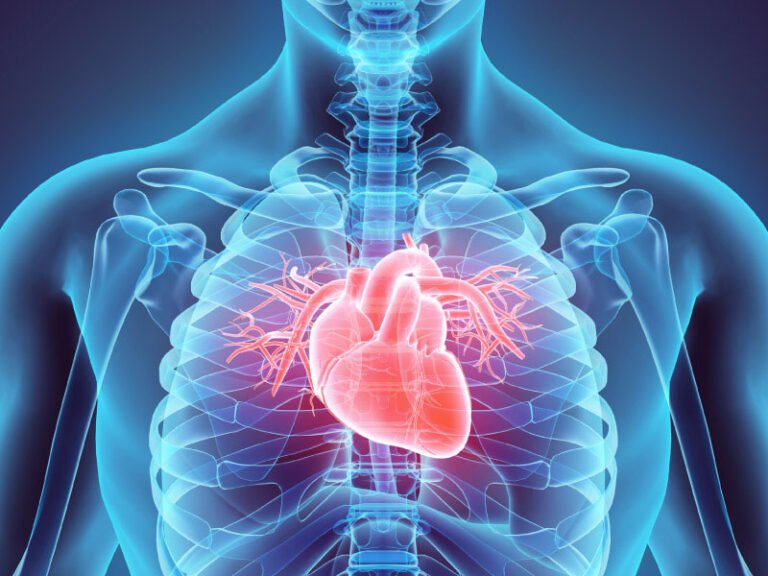
Heart disease remains the leading cause of death globally, claiming an estimated 18 million lives every year according to the World Health Organization (WHO).