Introduction
Emergencies strike without warning whether it’s a natural disaster, accident, or medical crisis. In such moments, panic is often the enemy. Families that prepare in advance are more resilient, more confident, and more likely to survive unscathed.
This article provides a practical guide to family emergency preparedness, covering what to include in emergency kits, how to create communication plans, and the basic life-saving skills every household should know.
Why Family Preparedness Matters
Emergencies overwhelm local resources. Ambulances may be delayed, stores closed, and communication networks disrupted. Being prepared means families can cope independently until help arrives.
Building an Emergency Kit
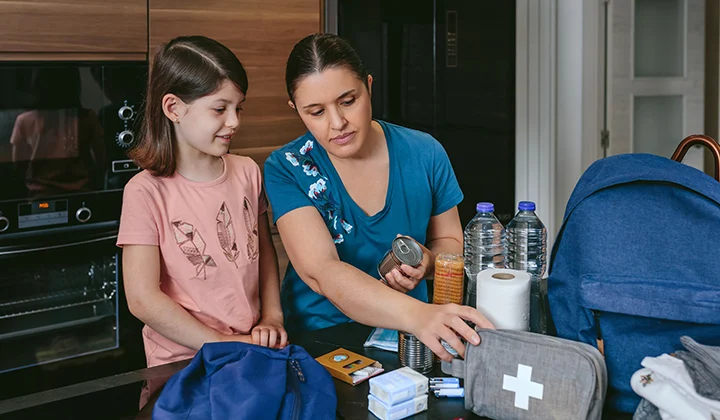
A well-stocked emergency kit is essential. It should be easily accessible and include:
- Water: At least one gallon per person per day for 3 days.
- Food: Non-perishable items such as canned goods, energy bars, and dried fruits.
- First Aid Kit: Bandages, antiseptics, pain relievers, prescription medications.
- Flashlights & Batteries: Power outages are common in disasters.
- Communication Tools: Battery-powered or hand-crank radio.
- Hygiene Items: Soap, sanitizer, sanitary products.
- Important Documents: Copies of IDs, insurance, and medical records in waterproof bags.
Creating a Family Communication Plan
During emergencies, family members may be separated. Having a plan reduces fear and confusion.
- Emergency Contacts: Write down key phone numbers. Don’t rely solely on mobile phones.
- Meeting Points: Establish a safe place near home and one outside the neighborhood.
- Out-of-Town Contact: Designate a relative or friend outside your area as a central contact point.
Life-Saving Skills Every Family Should Know
CPR and First Aid
Knowing CPR can double or triple the chances of survival for cardiac arrest victims. First aid knowledge helps stabilize injuries until professional help arrives.
Fire Safety
Teach children how to escape a burning building, stop-drop-roll if clothes catch fire, and how to use fire extinguishers.
Evacuation Preparedness
Practice fire drills and evacuation plans regularly so everyone knows what to do without hesitation.
Special Considerations
- Children: Teach them how to dial emergency numbers and memorize addresses.
- Elderly or Disabled Family Members: Ensure mobility aids, medications, and caregivers are included in plans.
- Pets: Keep pet food, leashes, and carriers in emergency kits.
The Role of Communities and Governments
While family preparedness is crucial, collective readiness strengthens resilience:
- Community shelters and evacuation routes.
- Public education campaigns on disaster readiness.
- Local volunteer groups trained in emergency response.
Conclusion
Preparedness is peace of mind. By building emergency kits, creating family communication plans, and learning life-saving skills, households can face crises with confidence. Emergencies may be unpredictable, but preparation ensures families are never powerless.