
Introduction
Few medical interventions have saved as many lives as vaccines. In fact, the World Health Organization (WHO) estimates that immunization prevents 4–5 million deaths every year. Yet, misinformation and fear have led some parents to skip vaccinations for their children, exposing communities to preventable outbreaks.
This article explains why childhood vaccines are critical, addresses common myths, and highlights the collective responsibility of protecting communities through immunization.
How Vaccines Work
Vaccines introduce a harmless part of a pathogen (such as a weakened virus or a protein fragment) into the body. This trains the immune system to recognize and fight the real disease if exposed later. Vaccination provides two levels of protection:
- Individual Protection: Prevents the child from contracting the disease.
- Community Protection (Herd Immunity): When enough people are vaccinated, it reduces the spread of disease, protecting those who cannot be vaccinated (like infants or immunocompromised individuals).
Key Childhood Vaccines
- Measles, Mumps, and Rubella (MMR): Prevents highly contagious viral infections.
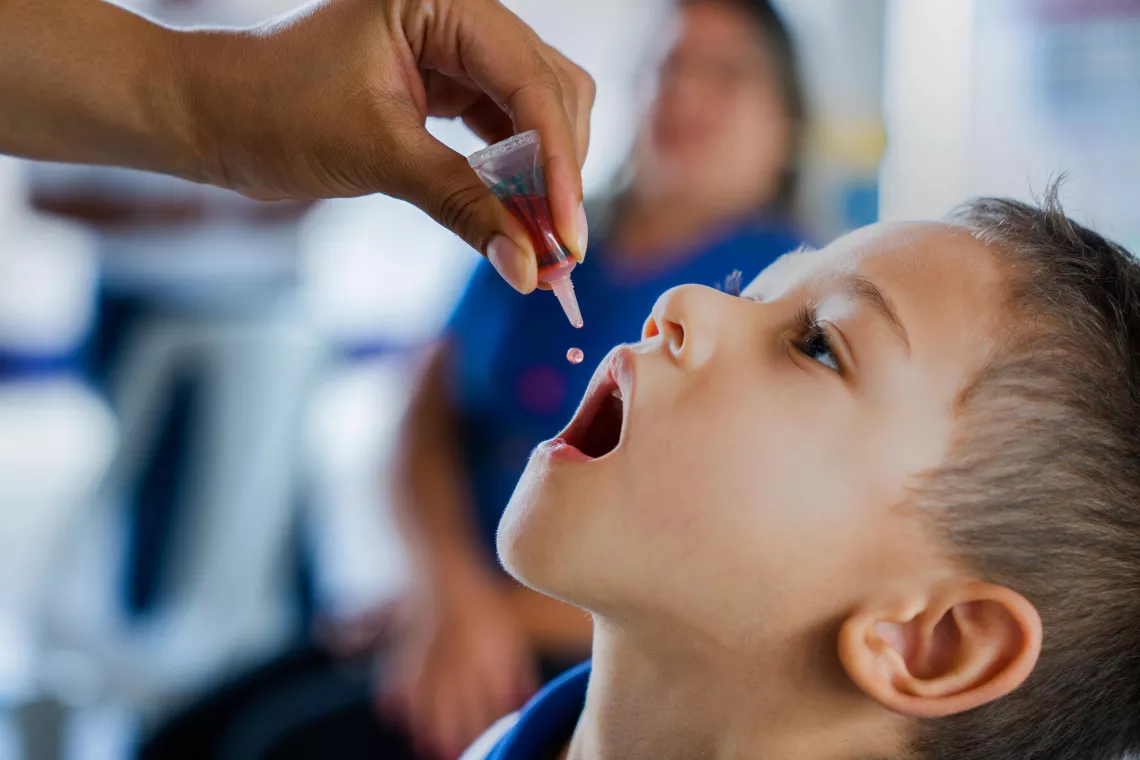
- Polio Vaccine: Essential for eradicating polio globally.
- Diphtheria, Tetanus, and Pertussis (DTaP): Protects against serious bacterial infections.
- Hepatitis B: Prevents chronic liver disease and liver cancer.
- BCG (for tuberculosis): Widely used in countries with high TB prevalence.
- HPV Vaccine: Recommended in adolescence to prevent cervical and other cancers.
Addressing Common MythsMyth 1: Vaccines Cause Autism
This myth originated from a discredited 1998 study. Dozens of large-scale studies since then have confirmed no link between vaccines and autism.
Myth 2: Natural Immunity Is Better
While natural infection can provide immunity, it comes at the cost of severe illness or death. Vaccines provide immunity safely.
Myth 3: Too Many Vaccines Overload the Immune System
Children encounter thousands of microbes daily. Vaccines contain a fraction of this exposure and are well within the immune system’s capacity.
Myth 4: Side Effects Are Dangerous
Most vaccine side effects are mild such as a sore arm or low fever. Serious side effects are extremely rare.
Consequences of Skipping Vaccines
Communities with low vaccination rates have seen resurgences of measles, polio, and whooping cough. These diseases spread rapidly, especially in schools and childcare settings, endangering vulnerable populations.
The Role of Parents and Communities
- Parents should follow national immunization schedules.
- Healthcare providers must educate families with compassion.
- Governments and NGOs should ensure vaccines are affordable and accessible.
Conclusion
Childhood vaccinations are one of the safest and most effective tools in modern medicine. By choosing to vaccinate, parents protect not only their children but also their communities. Vaccines are not just a personal choice, they are a public responsibility. Immunization is an act of love, protection, and solidarity.